When Auto Electrical Problems Signal It’s Time to Consider Scrapping Your Vehicle
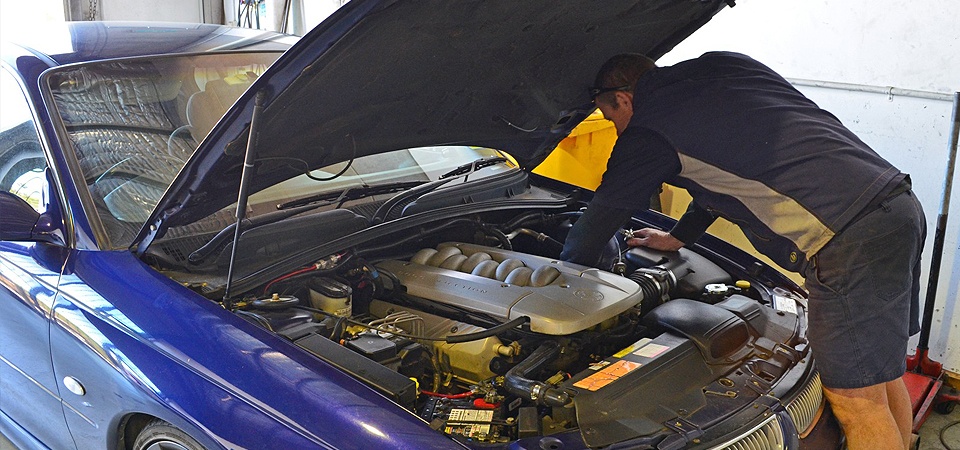
Countless vehicles experience electrical faults ranging from minor nuisances to major system failures. While many electrical issues are repairable and worth fixing, there comes a point where vehicle owners need to make a difficult decision: is it worth continuing to pour money into repairs, or is it time to let the vehicle go?
Understanding the Cost-Benefit Analysis
Modern vehicles are increasingly dependent on complex electrical systems. From the engine control unit (ECU) to the body control module, entertainment systems, and safety features like ABS and airbags, today’s cars are essentially computers on wheels. When these systems start failing, the repair costs can quickly escalate beyond the vehicle’s actual value.
A commonly cited guideline in the automotive industry suggests that if repair costs exceed 50-70% of your vehicle’s current market value, it may be time to seriously consider your options. For older vehicles with electrical issues, this threshold can arrive sooner than owners expect.
Common Electrical Issues That May Suggest End-of-Life
Certain electrical problems can be indicators that your vehicle might be approaching the end of its economical lifespan.
You may notice:
- Intermittent starting issues caused by failing ignition systems
- Recurring alternator or starter motor failures
- Corroded wiring harnesses throughout the vehicle
- Multiple simultaneous electrical faults
When the body control module or ECU fails in an older vehicle, replacement and reprogramming costs alone can potentially reach thousands of dollars.
Persistent battery drain issues that remain unresolved despite multiple diagnostic attempts often indicate systemic problems that may be impractical to fully repair. Similarly, when dashboard warning lights seem to multiply faster than they can be addressed, it’s usually a sign that various systems are reaching their use-by date simultaneously. Professional auto electrical diagnostics can help identify whether issues are isolated or systemic.
The Cascade Effect of Electrical Failures
One of the more frustrating aspects of aging vehicle electrical systems can be the cascade effect. One problem gets fixed, only to have another appear weeks later. This tends to happen because components of similar age deteriorate at similar rates. Wiring insulation becomes brittle, connector pins corrode, and electronic modules that have endured years of heat cycles and vibration start to malfunction.
There are cases where owners have spent several thousand dollars addressing electrical faults over a six-month period, only to face another major electrical repair. At that point, they’re essentially funding piecemeal system replacement without the benefit of a warranty or the reliability of a newer vehicle.
The Decision to Repair or Retire
Several factors should influence your decision. Consider your vehicle’s age and total kilometres traveled. A ten-year-old vehicle with 250,000 kilometres showing multiple electrical faults is a very different proposition from a five-year-old vehicle with similar issues. The latter might warrant more aggressive repair efforts, particularly if it’s still under extended warranty.
Your vehicle’s overall condition matters too. If the body, suspension, and engine are in excellent condition, electrical repairs might be justifiable. However, the situation may warrant serious consideration if electrical problems are just one item on a growing list of mechanical concerns.
Financial circumstances play a crucial role as well. Can you afford to replace the vehicle, or would repairs buy you valuable time to save for a newer model? Sometimes, strategic repairs to keep a vehicle running for another six to twelve months can make sense, even if the long-term prognosis isn’t particularly favourable.
When Scrapping Becomes a Viable Option
If you’ve determined that your vehicle’s electrical problems are terminal, scrapping might be worth exploring. Even vehicles with significant electrical faults can retain value in their components, metals, and recyclable materials. The catalytic converter, aluminum alloy wheels, and various metal components all contribute to scrap value.
Environmental Considerations
There’s also an environmental angle to consider. Vehicles with persistent electrical faults may run inefficiently, potentially consuming more fuel and producing higher emissions than they should. Modern recycling facilities can recover up to 90% of a vehicle’s materials, including metals, plastics, and fluids, ensuring these resources re-enter the supply chain rather than ending up in landfill.
Making an Informed Decision
Persistent electrical problems can represent a genuine crossroads for vehicle owners. While diagnosis and repair can keep vehicles running safely and reliably, there are situations where the most practical path forward may be to accept that a vehicle has reached the end of its economical life.
If you’re facing mounting electrical repair bills, take time to assess the bigger picture. Calculate what you’ve spent on repairs over the past twelve months, consider your vehicle’s current market value, and be realistic about its likely reliability moving forward. Sometimes, accepting that a vehicle has served its purpose and moving on can be a sound financial decision.
Whether you choose to repair or retire your vehicle, the key is making an informed decision based on facts rather than emotional attachment. Taking the time to properly evaluate your options tends to lead to better outcomes in the long run. If you need help assessing your vehicle’s electrical condition, get in touch for a professional diagnosis.